Back

Software design is one of the most fundamental aspects of developing any type of application or computer system. If you have ever wondered why some apps are so easy to use while others feel complicated and confusing, the answer lies in software design.
In this article, we explain what software design is. We also cover how it is carried out, the phases involved, the tools you can use, and how the no-code approach has revolutionized this process.
Software design is the process of planning and creating the structure of a program or application. It is a meticulous process that involves everything from creating the architecture to defining the user interface. Simply put, it is the "blueprint" for how the software will function.
It is important to note that software design is not just about writing code. To design effectively, you must have a clear vision of the final product and how users will interact with it. This encompasses everything from the software architecture and database design to the analysis model and the user interface (UI), which is what users will see and interact with.
Good software design facilitates decision-making for both the development team and the client.

To delve deeper into the software developmentprocess, you should know that this cycle begins with the initial idea and ends with the launch. However, there are several phases in between. Let's take a look at them:
This is the initial phase where the project's scope and objectives are defined. At this stage, the problems the software will solve are identified, goals are established, and the first drafts of the expected outcomes are created.
This is where key decision-making begins, such as choosing the analysis model and the tools needed to develop the software.
In this phase, the development team and the clients or stakeholders meet to detail the features the software must have. All requirements, both functional and non-functional, are documented.
Requirements analysis is essential to ensure that the software meets client expectations and solves the problem as efficiently as possible.
Design is the key stage where the software begins to take tangible form. Here, the software architecture is established, which means deciding how the different components will be organized and how they will interact with each other. The architecture determines the overall structure of the system, from the choice of the analysis model to how data will be handled.
In this phase, the database is also structured. It is crucial to define how data will be stored and managed, as a well-designed database ensures the software's performance and scalability.
This step includes creating relationships between the different tables and using normalization principles to avoid redundancy.
We also work on the user interface (UI). Here, visual design and user experience (UX) are essential to ensure that the software not only functions well but is also intuitive and enjoyable to use.
User interface design includes the layout of elements, colors, and buttons. It also focuses on navigation. The goal is for users to interact with the system efficiently and seamlessly.
The entire design process is fundamental to ensuring that the software not only meets functional requirements but is also easy to use, intuitive, and efficient in its performance.
Good planning in this phase reduces risks. It also improves work in subsequent stages. This ensures a final product that meets the expectations of both the client and the users.
Once the design is approved, programmers begin writing the source code. This is where features are implemented, different components are integrated, and the actual software development takes place.
It is essential that the development team follows the guidelines defined in the design phase to ensure that the code meets the established expectations and requirements.
After the code has been written, a series of tests are performed to verify that the software works correctly and meets the defined requirements.
In this phase, bugs or necessary improvements can be identified, and once corrected, the software is deployed for users to access.
Maintenance is an ongoing phase that begins once the software has been launched. Updates, improvements, and bug fixes are carried out as needed to ensure the software continues to run efficiently over time.
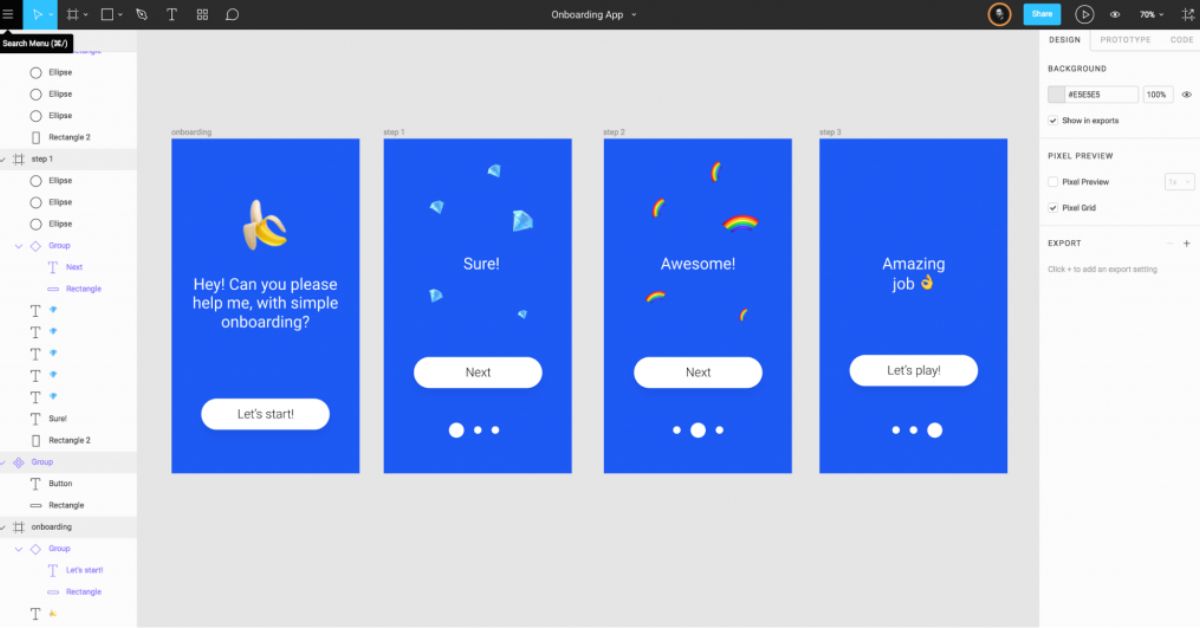
Software design can be a complex process, but there are tools that can facilitate every step of the way. From creating flowcharts to developing the user interface, the right tools can make all the difference. Some of the most popular include:
In addition to these tools, you can use No-Code to design and develop custom software.
With this development approach, it is possible to design and build web applications without needing to write large amounts of code. This is extremely useful because it allows for greater flexibility, rapid iteration, and the ability to make changes on the fly. It is ideal for prototyping or for companies that need custom applications in an agile way.
The No-Code approach is not just for those without programming experience. In fact, experienced development teams use No-Code platforms to accelerate the creation of custom applications, integrate systems, and test new ideas quickly. These platforms enable the creation of solutions such as mobile apps, ERPs, productivity tools, and much more, all efficiently and quickly.
In short, the software design process is crucial to the success of any application. From planning and defining requirements to design and development, every stage must be carefully managed.
Finally, you should know that by incorporating modern tools and adopting the No-Code approach, you can accelerate development time and adapt to user needs more efficiently.
If you are looking for agility, flexibility, and customization in your software design and development, contact us. We are the most experienced No-Code agency in Latin America. Furthermore, we are the only Hispanic No-Code agency with seven different areas of expertise, including a dedicated design team. Schedule an appointment with one of our experts today.